
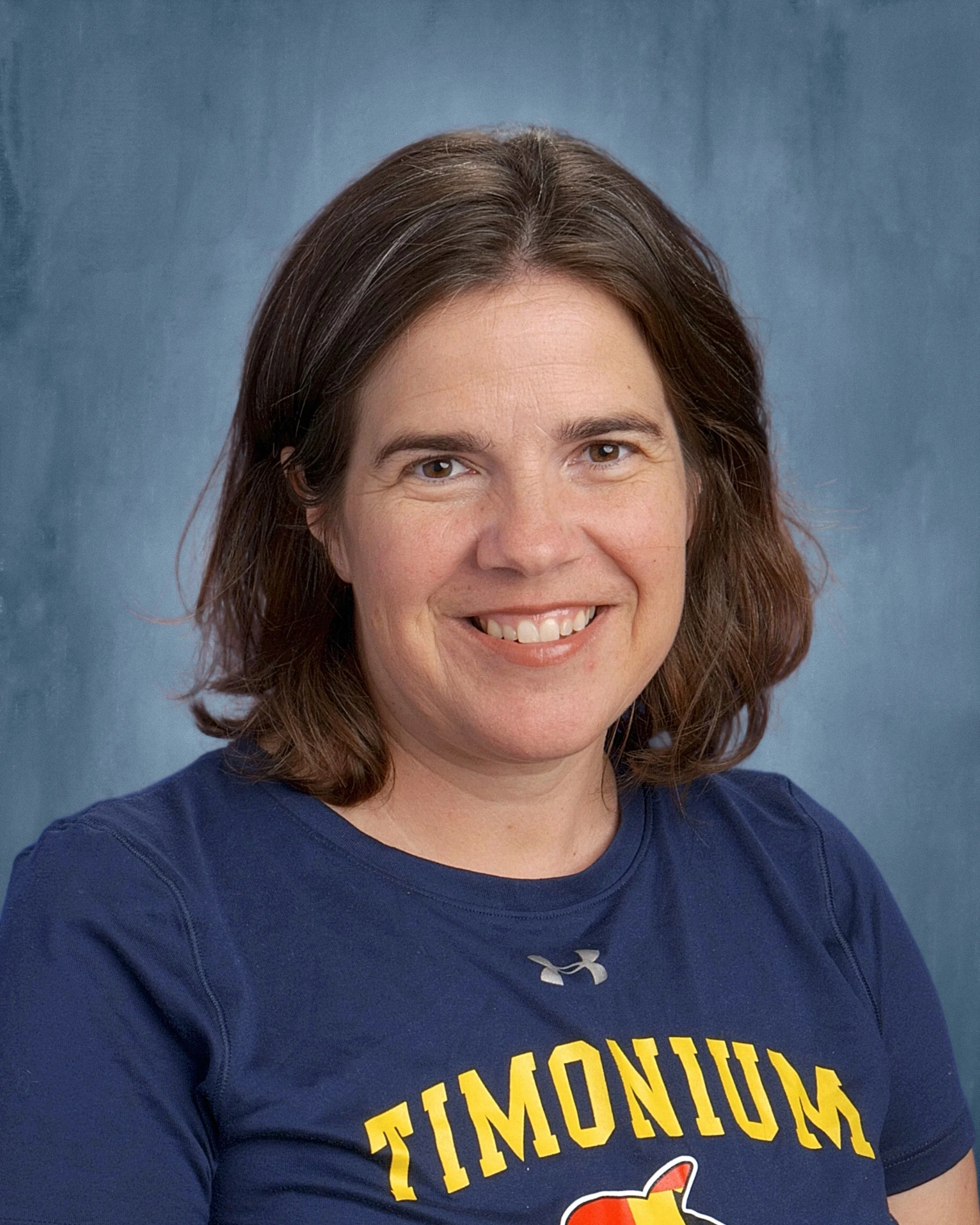
Ashley McKeefery
(She/her)
Elementary Computer Science and Innovation Teacher
Timonium Elementary School, Baltimore County Schools
How did you get into CS?
It was a happy accident. I actually started as a 1st grade teacher and would have been glad to stay there as long as I could, but started exploring other grade levels after I got a Master's degree as a reading specialist. When I had a family, I had to pivot based on my family’s needs for me to work part-time, which landed me in library land. During the 5 years I was a librarian, I experimented with different technology; I really took it upon myself to educate all of the school stakeholders about the different apps that we were using, and would bring in Ozobots and other engaging tools to get students excited about learning. My current position is teaching computer science to 2nd through 5th grade at Timonium Elementary. I'm really loving my job; it’s probably the most fun job I've ever had.
What are some successes and challenges that you've experienced?
One of the things that has been most helpful is finding just how much computer science leans into my philosophy of having a growth mindset and being a lifelong learner. I'm always willing to try new things, and because of that, I've had a lot of success within my department, as well as with different people coming in to watch me teach. As a librarian, I learned the importance of not taking your program for granted and making the effort to sell it, and I’ve carried that with me into CS. I'm always willing to try new tools and strategies, lean into my own mistakes, and learn from my students, and I hope I inspire them to learn from each other as well as me.
By being willing to make mistakes, I'm always running into challenges, but I see that as an opportunity rather than a problem.
What do you find compelling about computer science?
One thing in CS that has always made me very happy is the UDL (Universal Design of Learning), where you can have different means of representation for how materials are presented, as well as how students can give it back to you and engage in it; I love that from an accessibility perspective. I have personal experience with people in my family having learning differences, and have always found it inspiring to see how people learn, which is part of what made me want to major in psychology. I love how brains are all designed differently, so it’s great to see the different ways individual kids respond to the technology they’re introduced to in my classes, whether they're using Scratch on a computer, or trying a new robotic tool. It’s a great opportunity for them to take risks and lean into those learning preferences.
What's going well for you? What are you excited about?
One thing I've had the opportunity to do for the first time in the last couple of years is curriculum writing, which has been fun. I’ve also been using Adobe a lot more since we got through BCPS last year, and Wixie is an oldie but goodie that is always being updated; I'm loving using both those apps.
This year, I'm also expanding my program from 3rd through 5th to include the 2nd graders as well, so it's been fun to have that new, unique perspective, as well as the new curriculum areas. Our department does a great job of giving students a variety of experiences using those same CS principles, and making sure that it's very motivating for them. I like to try any type of new tool that comes my way with the students and am always glad to get feedback from the teachers about what tools they want to be exposed to. I’d like to create more tutorials; right now, I do demonstrations off the cuff, but when I had more time in the past I would create tutorials so teachers could learn how to use some of that same instructional technology in their own classes. After I have learned all of the CS curriculum that is new to me, I hope to better infuse technology tools to maximize diverse learning experiences and Universal Design Principles.
What advice or resources would you like to share?
The most helpful thing I’ve found is all of the tutorials available from different websites; you can figure out a whole curriculum through them. They’ve allowed me to learn alongside my students and to expand in areas that I'm interested in. The first thing that piqued my interest back when I was librarian was the tutorials from Hour of Code (https://code.org/en-US/hour-of-code). This year my classes completed an Hour of AI coding activities for the first time (https://csforall.org/en-US/activities/hour-of-ai). They loved comparing predictive code to block coding! After beginning with Hour of Code activities, I expanded to using Scratch tutorials in my CS curriculum (https://scratch.mit.edu/projects/editor/?tutorial=getStarted), and in the last couple years I added the Micro:bit (https://makecode.microbit.org/#) as a physical computing component. It’s really nice to have robotic tools as well; our whole department has Edison (https://meetedison.com/robot-programming-software/edscratch/), Ozobots with OzoBlockly (https://ozoblockly.com/editor) now. I mentioned Adobe Classroom and Wixie (https://www.wixie.com/) earlier, which also have some assignments where they can walk students through. I've really enjoyed using the classroom feature of Adobe, and with the Micro:bits there's a classroom feature (https://classroom.microbit.org/) where you can see the students' work as they progress and return it to them with notes and troubleshooting suggestions. It’s a great way to see what they’re wrestling with and give immediate, authentic feedback.
To anyone who’s considering getting into this field, I think it’s important to continue to learn, to grow, and to lean into your mistakes. Whether you’re new or a veteran, it will make you an even better teacher and individual as a whole, but it’s especially important in computer science. Also, take advantage of the team of learners and educators around you. What wonderful projects you can accomplish if you value the diverse talents of your team and students!
.