
Coming Soon: UMBC’s AI Graduate Series
About the series
MCCE is excited to announce four upcoming graduate-level AI courses for educators:
AI Fundamentals for Educators
Integrating AI into Teaching and Learning
Teaching AI Concepts to Students
Project-Based AI and Future-Ready Skills.
Created by long-time MCCE facilitator Deborah Kariuki with grant funding from MCCE, these fully virtual courses can be taken alone, or as part of the Masters of Education in Computer Science program at UMBC. Courses are offered at UMBC synchronously/asynchronously, instructed live by Deborah Kariuki or UMBC adjunct Nick Yates.
Who’s behind the courses?
Software engineer turned educator Deborah Kariuki came to Maryland after 16 years of industry experience and as a CS educator. While working as a developer, she took a sabbatical to teach high school Computer Science and also provided teacher support through the University of Texas’s We Teach and UTeach programs. During her 6 years at UMBC, she pioneered the first Masters of Education in Computer Science program in Maryland and also has co-created the teacher certification practice exam, which she now co-facilitates with two of the program’s graduates, Nick Yates and Doug Byrd. Deborah is also a long-time MCCE facilitator, part of the National CSTA Standard Revisions team, and served as President of the CSTA from 2022 to 2025. In addition to her work on the AI Graduate Series, she has also recently received a grant to create cross-curricular computational thinking training for in-service art teachers. Deborah would like to invite as many Maryland teachers and administrators as possible to take advantage of the courses she has worked to build.
“While there’s been a lot of onboarding in the past six years, many educators still don't know that UMBC has an education program, or that a program like this even exists in Maryland - I often hear people saying they wish it did! So I want teachers to know that our courses exist, and that they’ve been created by people who are grounded in a personal understanding of what teaching computer science is about.”
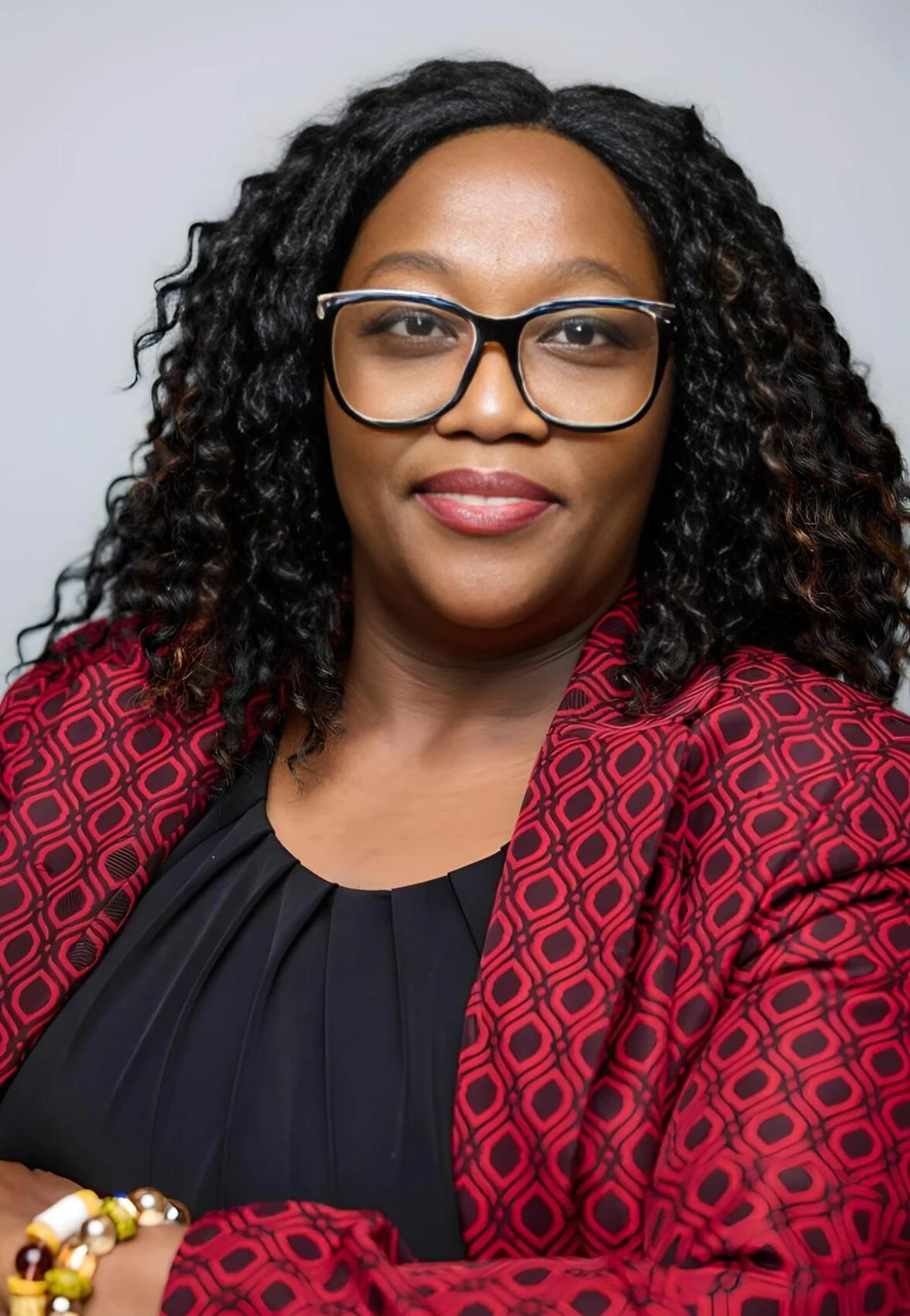
Deborah Kariuki - Assistant Teaching ProfessorEngineering and Computing Education -ECEPCollege of Engineering and Information TechnologyUniversity of Maryland, Baltimore CountyWhat sets them apart?
All 14 courses in the Master of Arts in Education program were created with feedback from administrators, teachers, and other stakeholders to ensure the material reflected what educators actually want.
“I’m proud to say the teachers who have taken our classes have loved them. They’ve also done so well! Our current classes are actually taught by teachers who have previously taken our classes. One of the very first teachers to complete our program was awarded the NCWIT Educator Award; others have gone on to serve as Computer Science coaches and provide professional development district support in their areas. We know that we’re doing something good with our programs when we see our teachers succeeding and getting the recognition they deserve.”
Deborah and her team have created their upcoming AI offerings with the same ethos that made their previous courses relevant to teachers’ needs.
“During my time as CSTA president, I was able to meet with and listen to a lot of teachers. I came away from that experience with a strong belief in the importance of working with teachers to ensure the materials we produce are really usable for them, rather than just creating courses for them and expecting them to come.
The AI graduate series came about through last year’s AI summit here at UMBC, where teachers expressed a need for more support with AI resources than the 1-2 hours of instruction they were currently receiving.”
The AI series is also set apart by its teacher-driven, project-based format.
“Most courses prepare teachers to teach a very out-of-the-box, lecture-based curriculum. We want our teachers to have room to augment their curriculum to fit their students’ interests, and to act more as facilitators who are helping them achieve their goals. The students aren’t being lectured either; they’re co-creating the artifacts that are being produced.
What’s next?
Deborah hopes to work with MCCE to develop AI course modules into smaller, more accessible virtual PD modules for educators who cannot attend the full 15-week courses. She is hoping that this can lead to an AI-teaching certificate, which is a project she hopes to work with the UMBC Department of Professional Studies to make this possible.
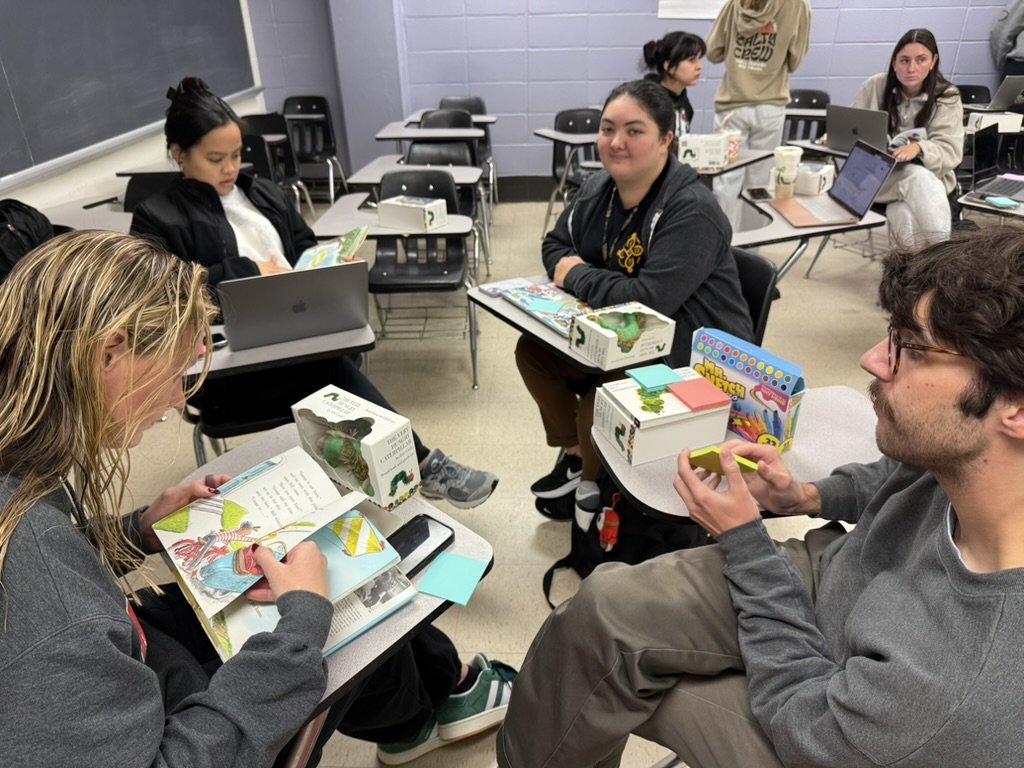
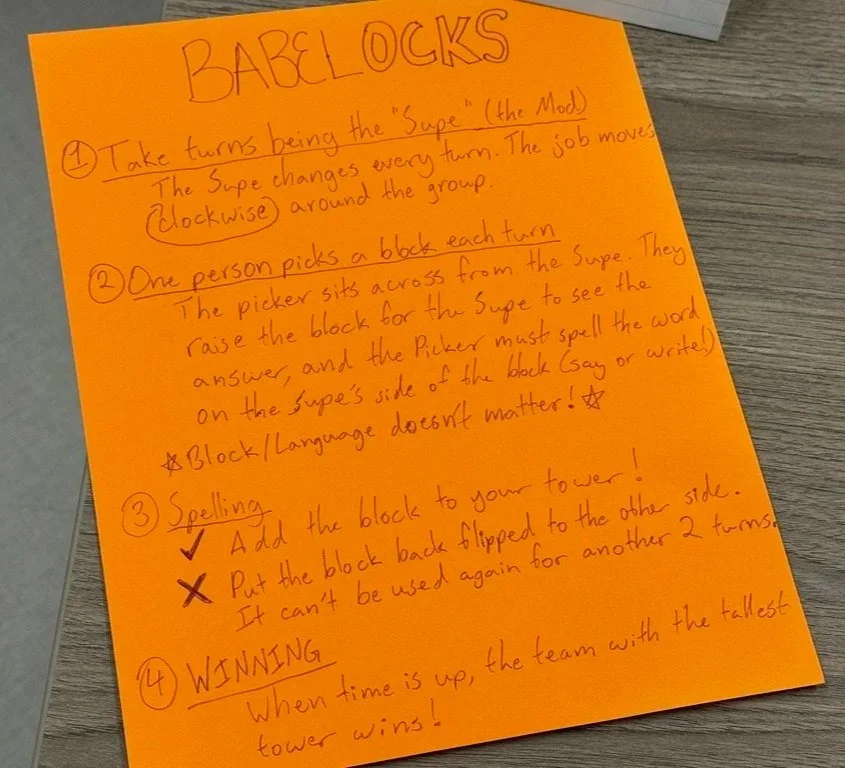
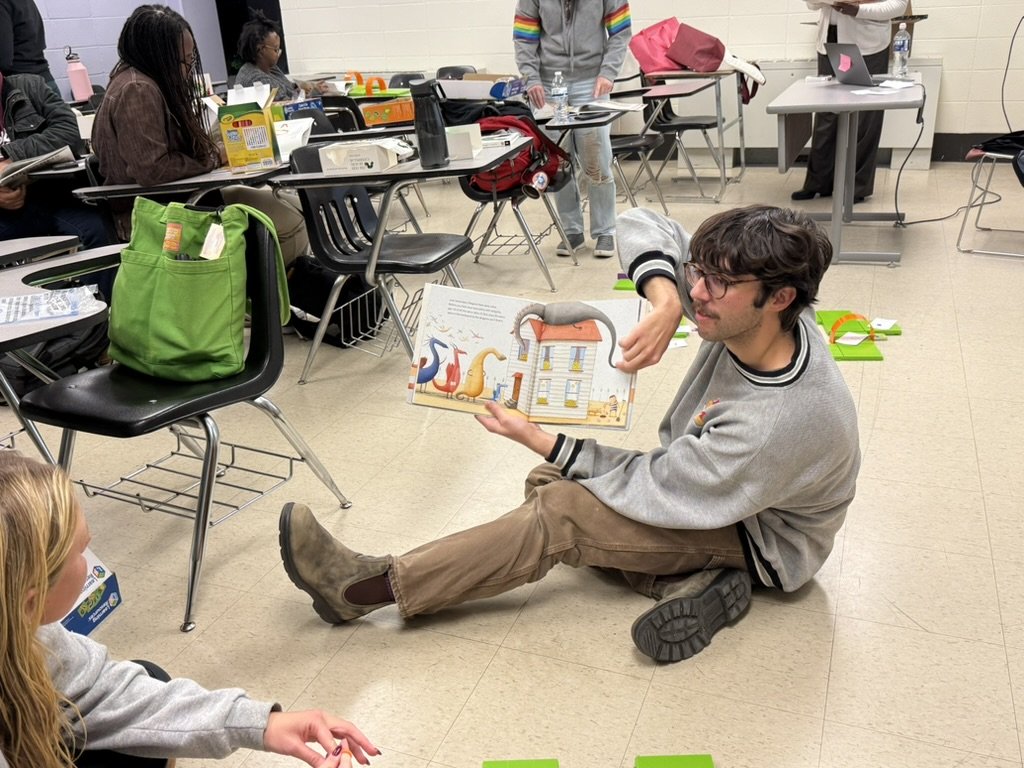
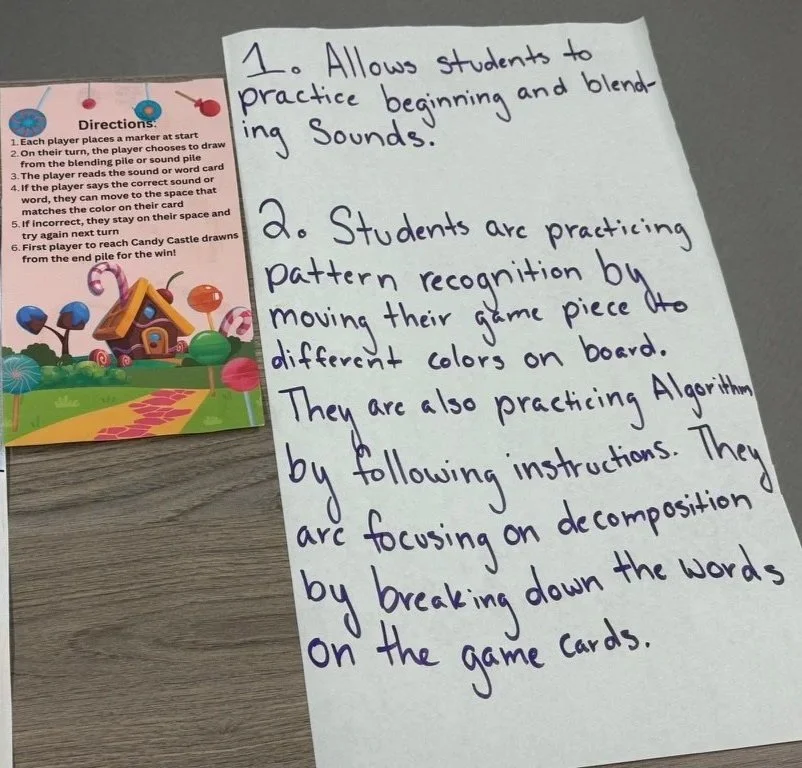
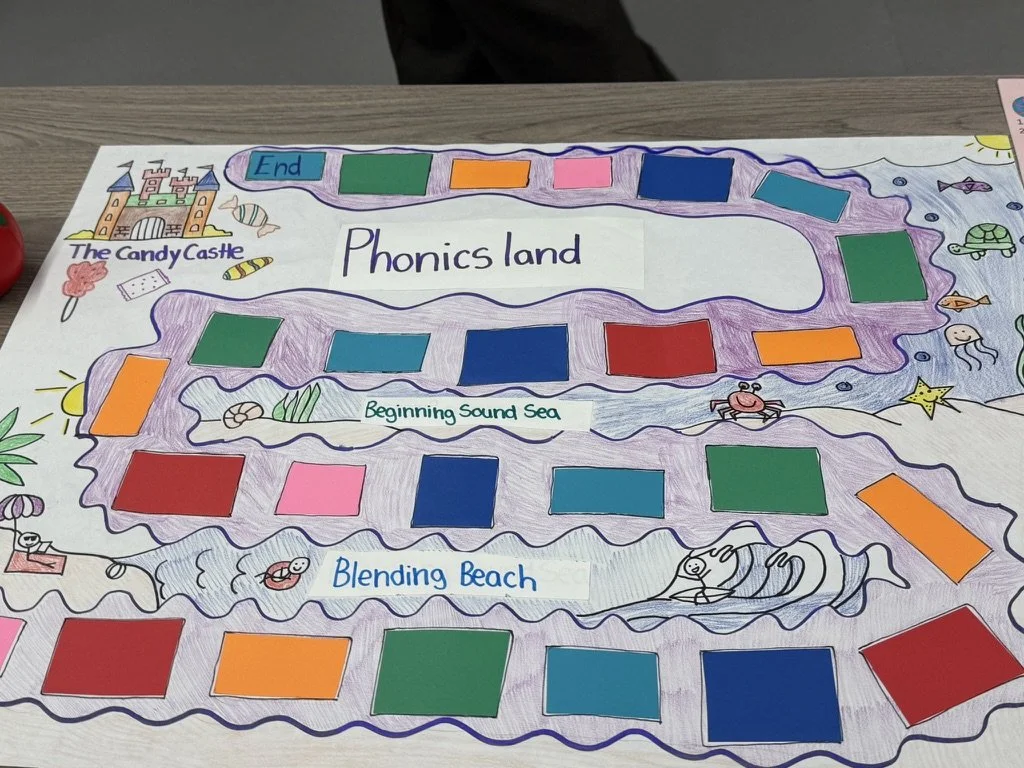
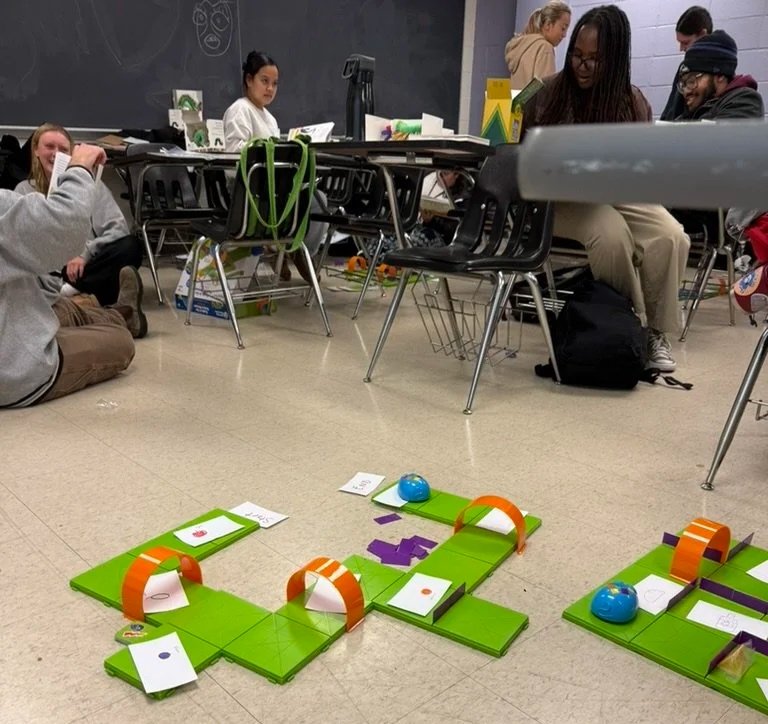
In-service students learn how to use computational thinking at an education literacy course at UMBC.