
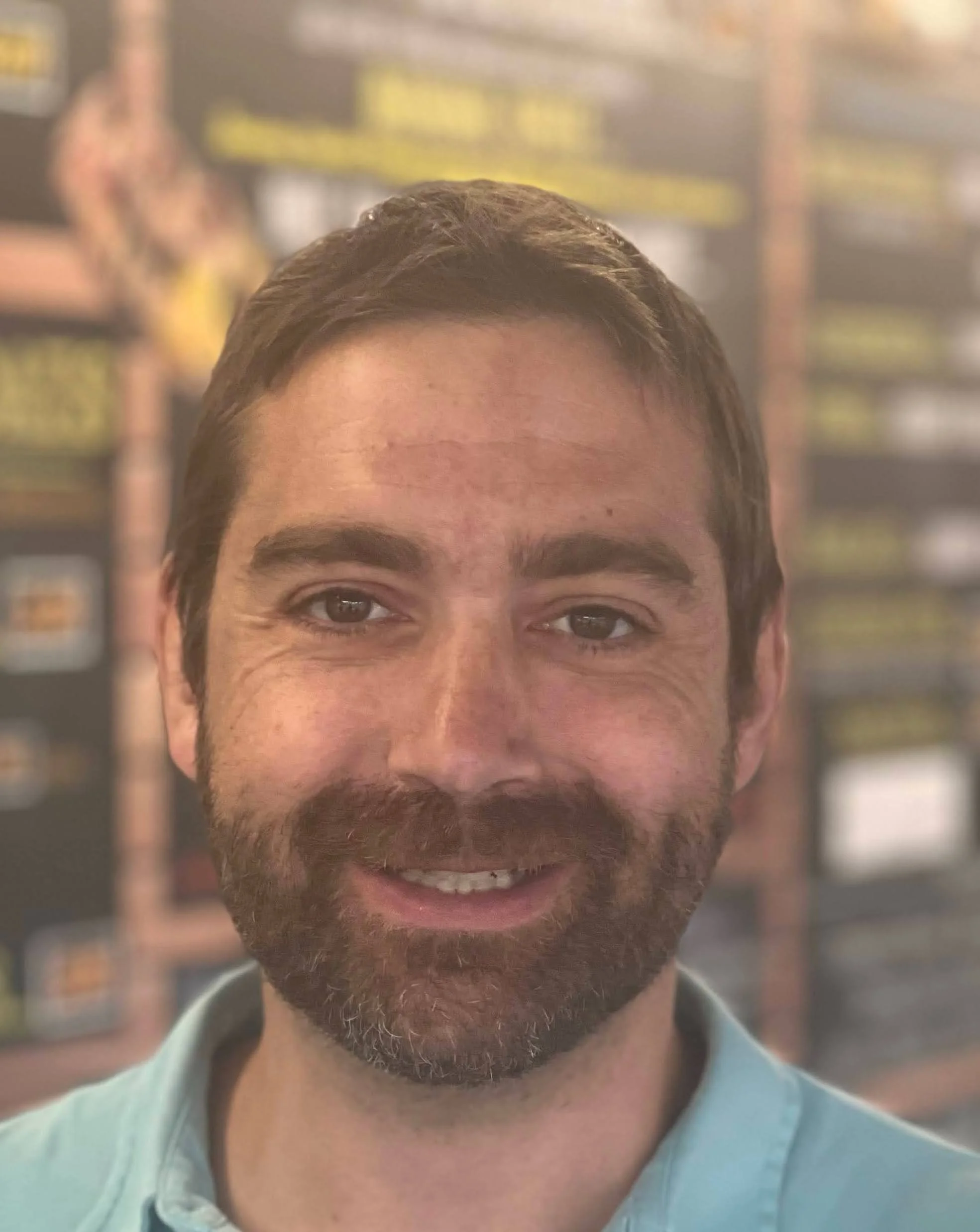
Bradley Ditto
(He/him)
4th Grade Teacher; CSTA Responsible AI Fellow 2026-27
West Side Elementary School, Allegany County Public Schools
How did you get into CS?
Honestly, it took me a while. I've been an educator for over 10 years now in Allegany County. I taught across all the elementary grades, first through fifth, and was pretty good at it - but something was missing. Then I started doing STEM nights and working with after-school kids, and everything shifted.
Here's what I realized: When kids really understand how technology works, when they see what's happening under the hood, they stop just taking it. They ask better questions and start thinking like critics instead of just using things. They see algorithms picking what they watch and ask if that's okay. That matters; that's real power.
My work is really about this - building understanding - but more than that, it's about kids learning how to think. What is AI really? What can it do and what shouldn't it do? How do we use it for good? How do we think about it right?
When I had my own kids, my wife and I started having these talks at home. We didn't say technology is magic, we didn't say don't touch it; we just talked about it like anything else. Humans make tools, and humans put choices in them. Watching kids ask questions about tech instead of just using it changed me.
I teach 4th grade now, and every day I try to bring that same habit of questioning to the classroom. I want my kids to know that they're not stuck; they can ask things, they can think about this stuff. They matter.
What are some successes and challenges that you've experienced?
Last summer I made a curriculum for summer school. Kids making up credits, kids who struggled and weren’t finding a love of learning. They were already telling themselves a story: ‘This isn't for me. I'm not a computer person. I can't do this.’
So I made something different, real hands-on. We used the website Teachable Machine and they could see the moment their thinking became action. We talked to chatbots and asked questions about stuff they cared about, real and personal.
There was one girl in particular who came in not wanting to be there, saying no; her whole body said no. But when I showed her a chatbot of a real person from history she could actually talk to, something changed inside her. She started asking things, real questions. Over four days, she went from complaining to wanting to know and understand. That's success; that's a kid finding out what she can do.
That experience led to bigger things. I went on to make a George Washington chatbot, which we're currently trying to get money to set up in a museum as a kiosk people can use. Think about it - anyone who goes to the museum being able to talk to a real person from history! History isn't just facts; it's alive.
I still speak at after-school programs and libraries. I wrote a book on teachers and AI that's on OER Commons, “Educating With AI_ Empowering Teachers, Elevating Students”. It came out in 2024, and parts are already old. That tells you something - the AI field moves really fast!
On the hard stuff: Time is the real problem. I'm doing lots of things. It's easy to say yes to everything, but spreading too thin doesn't work. I'm learning that doing fewer things with your whole heart is better than doing everything halfway. The work needs you there; the kids need you there - all of you.
What do you find compelling about computer science?
I worked hard as a kid because things didn't come easy. I'd sit and write something and it would take forever; I'd organize my thoughts one way and it wouldn't stick. I thought that's how I was, that's my brain, and I just had to deal with it. Then I found tools - tools that worked with how I think, not against it, and everything changed. They let me organize my thoughts the way that makes sense to me, not the way someone else said it should work. That changed my whole life. And I learned something: tools are powerful. They decide what we can do. They decide what we think is possible.
That's why I care about kids understanding AI. Not building it, yet - that comes later if they want - but understanding what it is. What can it do and what can't it? Who made it and why? What kind of problems are in it? What does using it the right way look like?
Kids grow up with AI everywhere now. They use ChatGPT, they scroll feeds picked by computers. They see AI making decisions about their lives. If we don't help them think about these tools, teach them to ask real questions, show them who wins and who loses and what goes wrong, then we're not getting them ready. We're just letting them take it in without thinking. That's what this Responsible AI work is - helping kids understand what's happening, teaching them to think. Giving them power.
What's going well for you? What are you excited about?
I'm honored to be part of the CSTA Responsible AI Fellowship. The people here do real work - some work for Amazon, one runs a big school in Chicago, others go around running workshops and helping districts - and here I am from rural Maryland with what I know about teaching where there aren't a lot of resources. About helping kids think. About making sure they understand even if they don't have tech at home.
I want to learn from them, I do, but I have things to say too. My view from the classroom matters; my view from rural areas matters, and the way we all get better is sitting down together and saying, ‘Here's what I learned, here's where I'm stuck. What do you see where you are?’
Right now, I'm bringing all this into my 4th grade classroom. What is AI? What does it do? How do we think about it right? Not building it - understanding it, asking about it, thinking it through.
I also just had an interview for county coordinator for technology - hope that works out! That would be next, taking what I know in my room and helping other teachers do it in theirs.
And honestly I'm excited and worried both. AI could be amazing; we don't know yet. But that's exactly why I do this! I want kids ready. I want them to see these tools as things people made, things with choices and values in them, things that could be great or could go wrong. I want them ready to ask what matters.
Any advice or resources to share? What would you like to see more of?
My advice is simple. Start small. Keep the joy.
I'm doing too much right now. I see how easy it is to say yes. Everything is important and real. But here's what I know now: When you do too much you can't do anything well. The work falls apart, you fall apart, and the kids feel it. They know when you're really there and when you're just going through it.
So pick one thing and do it well; do it because you love it. Then grow - but don't lose yourself growing. That ruins everything.
For stuff that actually works:
Code.org thought hard about teaching code at every level and it's free; that's fair. Their AI content also keeps you up to date without all the hype and noise.
Common Sense Media for Parents helps people understand tech in a way that doesn't feel scary.
OER Commons lets you find real resources made by real teachers for real teachers. This is how we help each other instead of fight each other.
There are things you pay for, and some are good, but the best things are free for everyone. That's where real fair stuff happens. That's where things change.
I also watch what Europe does with AI rules and thinking. They're being smart and careful about it. We should learn from that.
What I want more of:
Resources made by and for teachers in rural areas. Classes that think about fair stuff from the start, not after. Real talks about responsible AI right now, not in five years when these tools are already here and we can't change how kids think about them.
We need more teachers from rural places in these talks. We need people saying, ‘This works where I am, my kids need this, this is real.’ Because the future won't come from big cities only; it comes from everywhere, through everyone, and we need to make sure everyone can be part of it.